Most "AC Problems" Start at the Install, Not the Breakdown
When a Culver City homeowner calls about an AC that never worked right, we usually find the same thing: the equipment did not fail. It was set up wrong from day one. A bad install does not always announce itself right away. Sometimes it takes a full summer of short cycling, uneven rooms, or a climbing LADWP bill before anyone connects the dots back to how the system was put in. Here is what to look for, and what it usually points back to.
Sign #1: The System Turns On and Off Every Few Minutes
Walk past the thermostat and listen. If the compressor kicks on, runs for five or ten minutes, then shuts off and repeats that pattern all afternoon, the system is short cycling. This is one of the clearest signs of an oversized unit, one sized off square footage alone or matched to whatever tonnage sat there before without a real load calculation. A system that is too big for the house cools the air fast, satisfies the thermostat, and shuts down before it has run long enough to pull humidity out of the air. The fix is not a repair to the existing unit. It is a correct load calculation and, often, right sized equipment.
Sign #2: One Room Is Always Warmer Than the Rest
If the living room feels fine but a back bedroom never quite cools down no matter how long the system runs, that almost always traces back to duct design rather than the AC unit itself. A supply run that is undersized for the distance it has to travel, a register placed in the wrong spot, or a return that cannot pull enough air back to the system all show up as one stubborn room. This is a design problem from the install, not something a new filter or a recharge will solve.
Sign #3: The System Runs Nonstop and Still Cannot Keep Up
This is the opposite of short cycling, and it points to an undersized system, one installed without accounting for a room addition, a garage conversion, or a sunroom that changed the total square footage after the last install. During a Santa Ana wind event, when Culver City temperatures can push past 95 degrees well outside the usual range, an undersized system that was already working hard gets pushed past what it can handle. If your system runs fine on a normal 85 degree day but cannot keep up once the wind picks up, the sizing was already too tight before the wind event ever showed up.
Sign #4: Ice on the Line or the Indoor Coil Soon After Install
A new system that develops ice on the refrigerant line or the evaporator coil within the first year usually points to one of two install mistakes: the line set was not evacuated properly before the charge went in, leaving air and moisture in the system, or the refrigerant charge itself was measured incorrectly. Both are installation steps, not equipment defects. A correctly installed system pulls a deep vacuum before charging and verifies the charge by weight, not by feel.
Sign #5: The Outdoor Unit Is Loud Enough to Draw Complaints
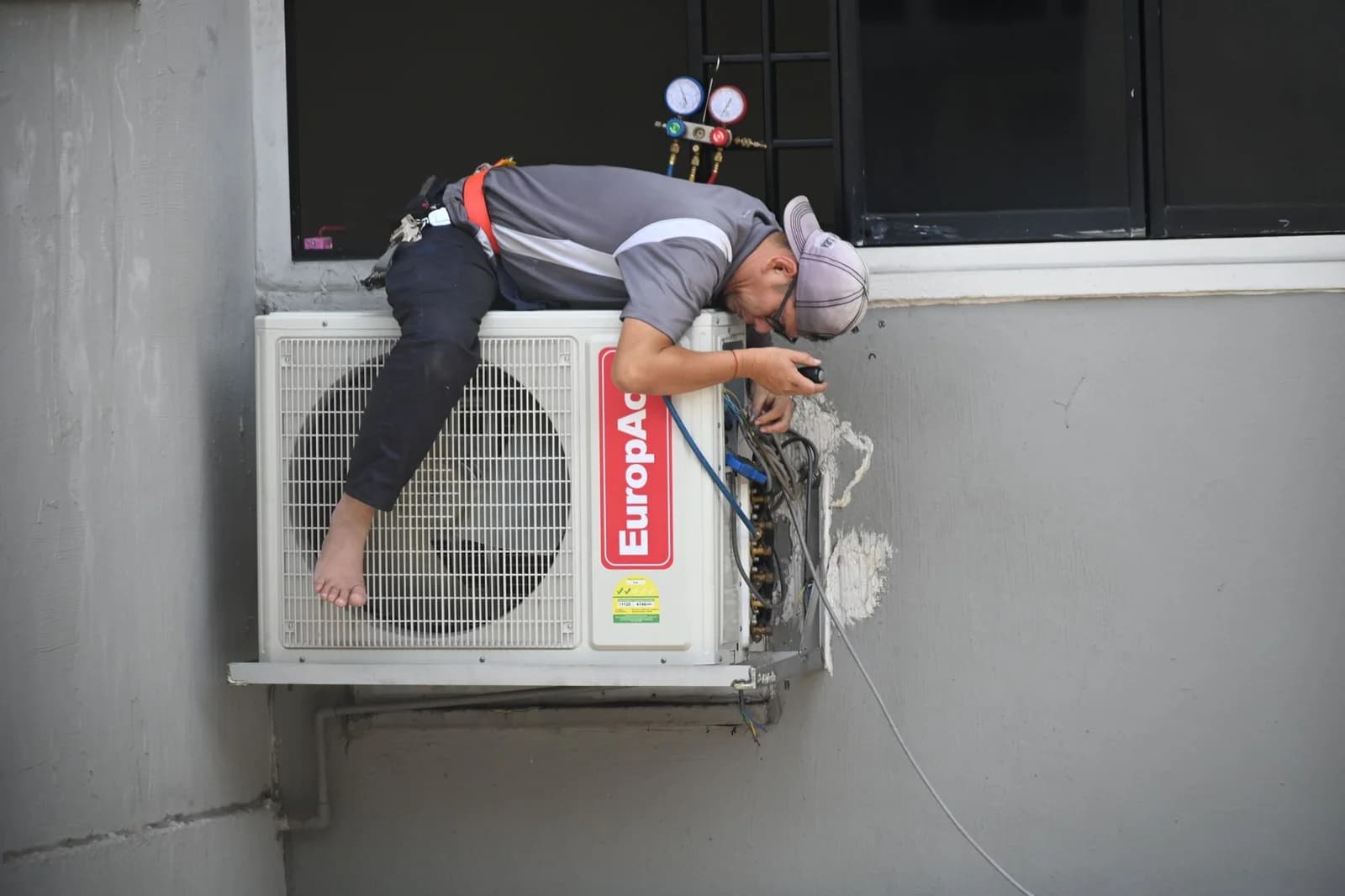
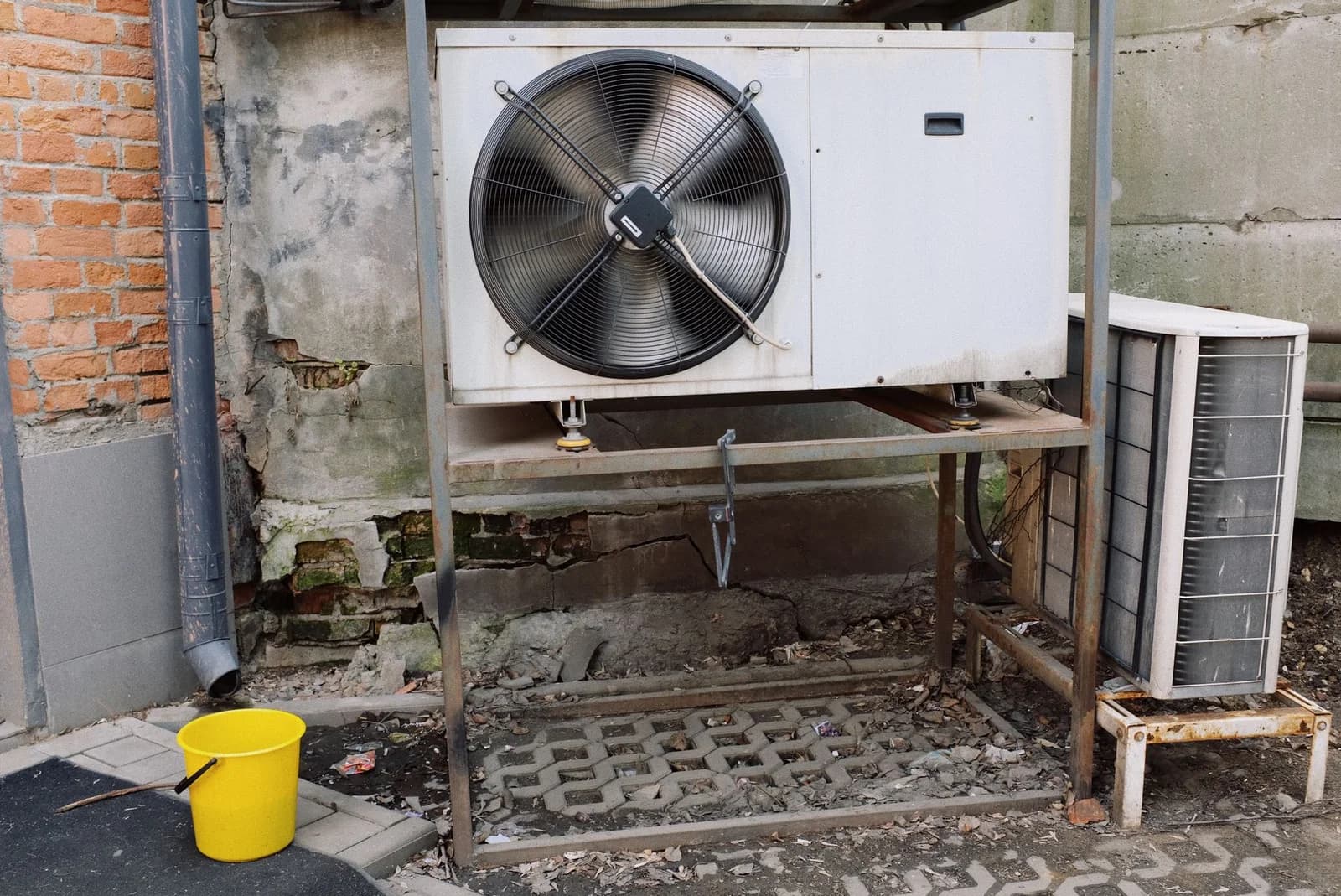
Homes on residential streets near Sony Pictures and the Amazon Studios lot already deal with some ambient production noise, and a condenser placed too close to a bedroom window, a shared property line, or without enough clearance around it runs louder than it should. Placement matters as much as the equipment rating here. A condenser rated for quiet operation still sounds loud if it is boxed into a tight side yard with no room for airflow, or mounted against a wall that reflects sound back toward the house. If your outdoor unit is drawing complaints from neighbors or running into HOA pushback, that is a placement issue from install, not a defect in the unit.
Sign #6: Your LADWP Bill Climbed Right After a New System Went In
A brand new system should lower your energy use compared to an aging one, not raise it. If your bill went up after an install, the ductwork connected to the new equipment is a likely culprit. New equipment pushed through old, leaking galvanized ducts from the 1940s through 1960s does not deliver the efficiency gain you paid for, because a large share of the conditioned air never makes it to the rooms. This is common enough in Culver City's older housing stock that we check duct condition before connecting new equipment to existing runs.
Sign #7: Water Pooling Near the Indoor Unit or Staining on the Ceiling Below
A little condensation on the outside of a supply line is normal in humid weather. Standing water on the floor near the air handler, or a stain spreading across the ceiling in the room below an attic unit, is not. This almost always comes back to how the condensate line was installed: not enough slope for the water to drain by gravity, a drain line routed with a low spot where water collects and stagnates, or a condensate pump that was never wired in when the unit sits somewhere gravity drainage cannot reach. A correctly installed drain line slopes consistently toward its exit point and includes a secondary drain pan with its own overflow switch, so a clog trips a safety shutoff instead of quietly soaking into your ceiling for weeks before anyone notices.
Why These Problems Trace Back to the Install and Not Bad Luck
Every one of the signs above ties back to a decision made during installation: the load calculation, the duct design, the line set work, the equipment placement, or the connection between new equipment and existing ductwork. None of them are random equipment failures. That distinction matters because it changes what actually fixes the problem. A short cycling system does not need a new capacitor. It needs to be resized. A loud condenser does not need a quieter fan. It needs to be relocated with proper clearance.
What a Correct Install Prevents
When we install a new system, the load calculation, the duct check, the equipment placement, and the line set work all happen as one connected process, not as separate boxes to check. We measure the house, inspect the ducts the new system will run through, plan condenser placement before the crew shows up with equipment, and verify the charge by weight once the system is connected. That sequence is what prevents the signs above from ever showing up in the first place.
If You Are Already Seeing These Signs
A system installed within the last year or two that is already showing short cycling, uneven rooms, constant running, early ice, noise complaints, or a rising bill is worth a second look, even if it is still technically under warranty. We inspect the install itself, not just the equipment, to find out whether the problem is mechanical or whether it was built into the system from day one.
If your AC is showing any of these signs, call Culver Climate Co. at (877) 409-5227. Homeowners from Palms down through Del Rey and Venice, and everywhere in between across Culver City and Mar Vista, can get a technician out to inspect the install itself, not just the equipment, and hear plainly whether they are looking at a repair or a system that needs to be corrected from the ground up.
Need Professional HVAC Service?
Our HVAC-experienced technicians are ready to help with all your AC and heating needs. Contact Culver Climate Co. today for expert service throughout the the Westside service area.