
Most Refrigerant Leaks Trace Back to How the Line Set Was Installed
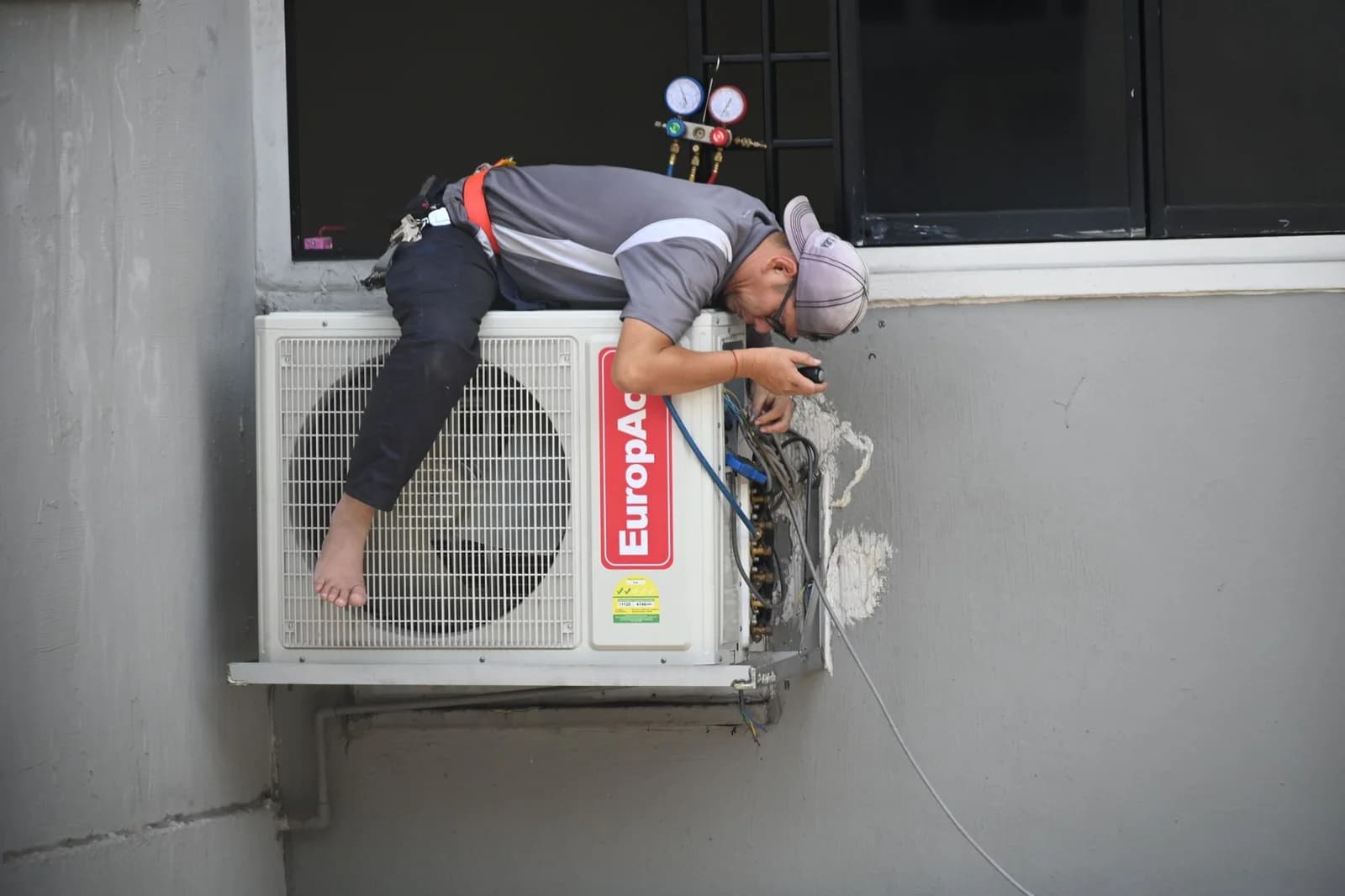
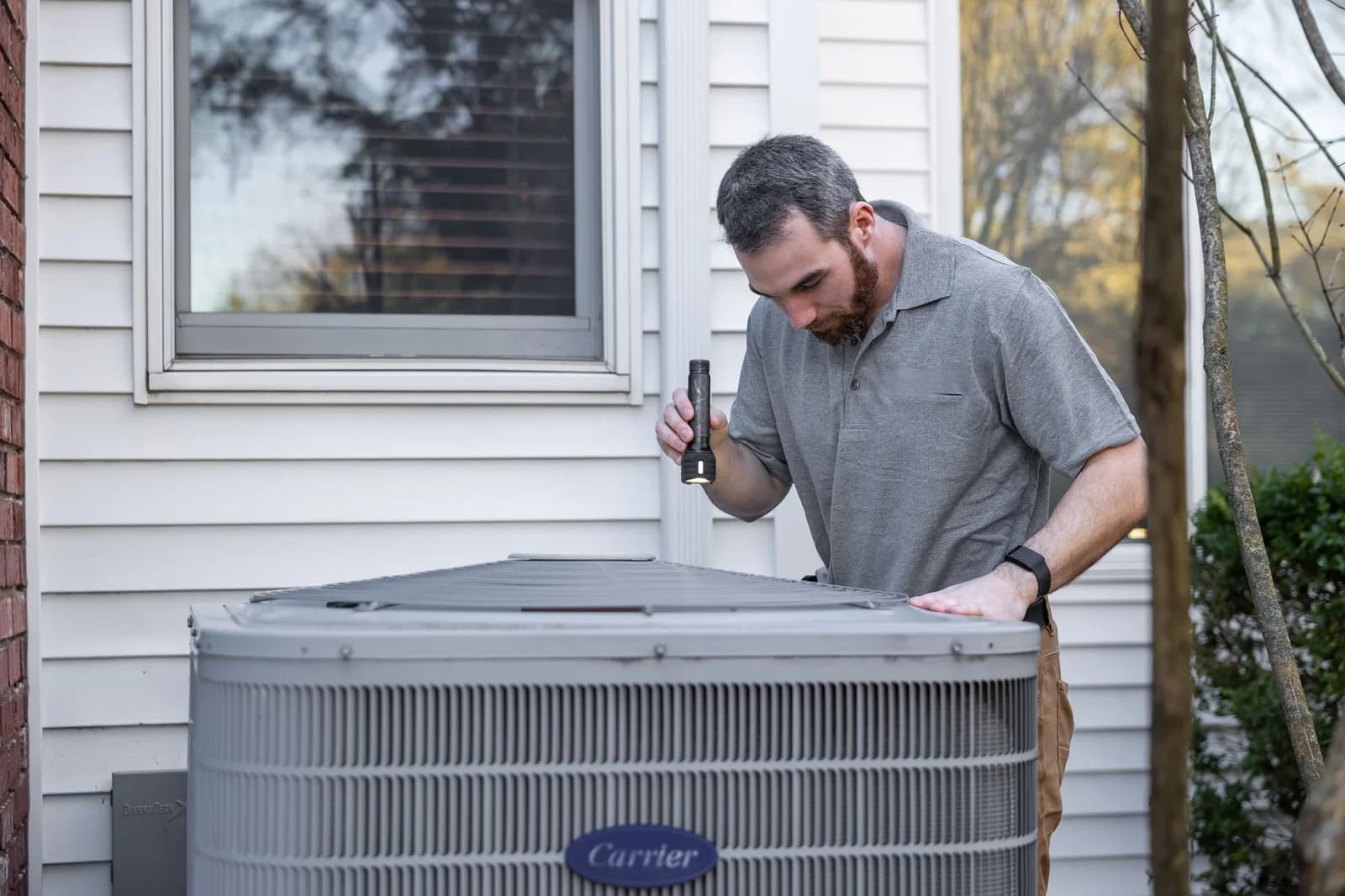
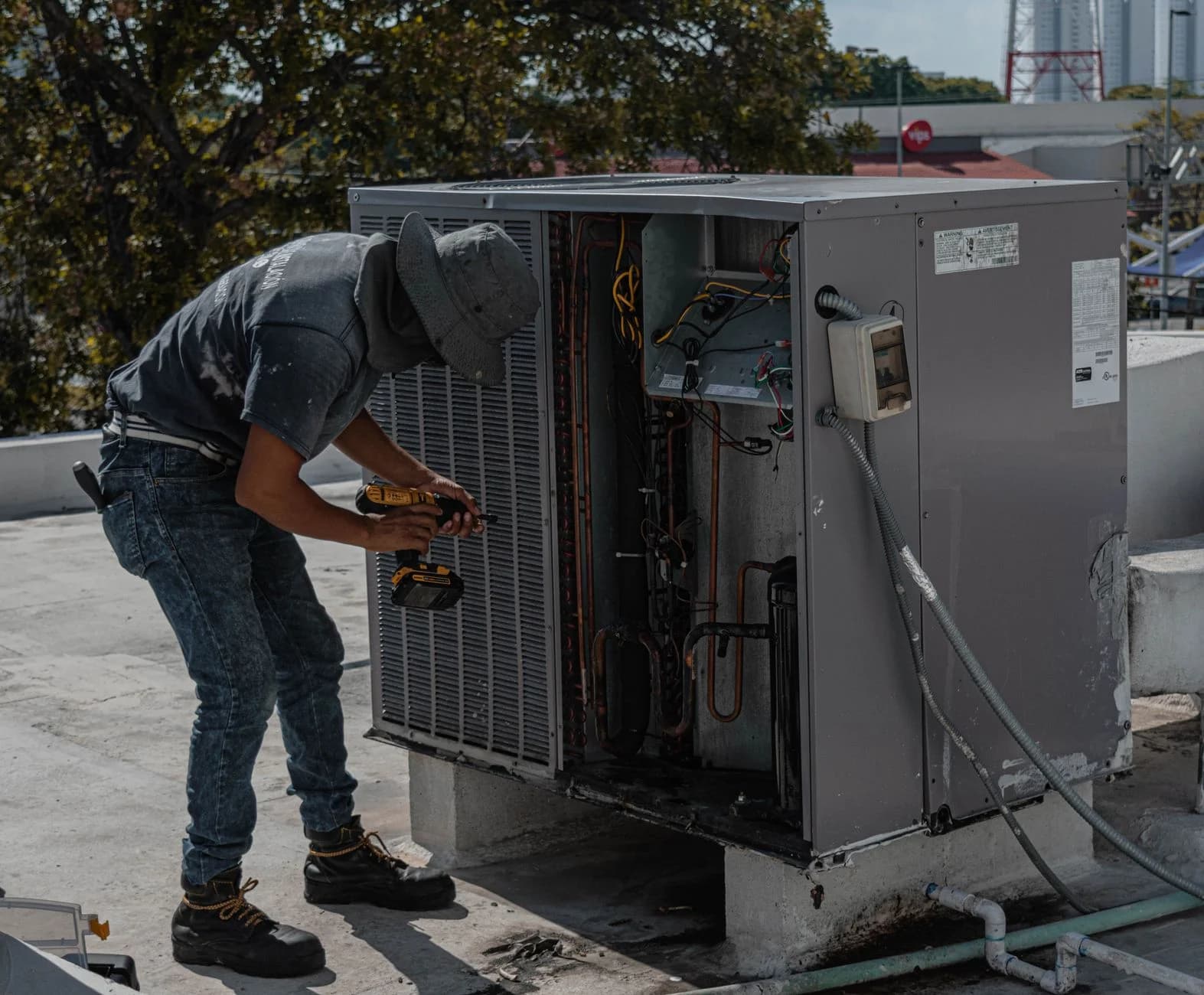
Refrigerant runs in a sealed loop between the indoor coil and the outdoor condenser, and a properly installed system should never need a recharge under normal use. When we find a system low on refrigerant, the leak almost always points back to one of a few installation steps that were rushed or skipped: brazing that was not done under a nitrogen purge, a vacuum that did not pull deep enough before charging, or a line set that was left unsupported and vibrating against something it should not touch. Here is what correct line set work actually involves, and why it matters more than most homeowners realize.
Brazing Under Nitrogen: Why It Is Not Optional
When copper line set connections get brazed, the heat of the torch causes the copper inside the line to oxidize if there is oxygen present in the line during the process. That oxidation creates flakes of scale inside the copper, and those flakes travel through the refrigerant loop once the system starts running, eventually clogging filters, expansion valves, or the metering device. Purging the line with nitrogen while brazing displaces the oxygen and prevents that scale from forming in the first place. It takes longer than brazing without a purge, but it protects the system from a failure that can show up months or years later, and by then it looks like a mystery problem rather than what it actually is: a shortcut taken during installation.
Pulling a Proper Vacuum
Before a new system gets charged with refrigerant, the entire line set and coil need to be evacuated to remove air and moisture. Air and moisture in a refrigerant system cause corrosion inside the lines over time and interfere with how the refrigerant absorbs and releases heat. A proper evacuation pulls the system down to a deep vacuum and holds it there long enough to confirm the level is not creeping back up, which would indicate a leak somewhere in the connections. Rushing this step, or skipping the hold and check verification, is one of the more common shortcuts that leads to an early refrigerant leak or a system that never performs at its rated efficiency.
Charging by Weight, Not by Feel
Once the system is evacuated, it gets charged to the manufacturer's specified amount, measured by weight on a scale, not estimated by checking line temperatures or pressures by feel. A system charged even slightly outside its specified amount runs inefficiently, whether it is undercharged and struggling to cool or overcharged and putting extra strain on the compressor. We verify charge by weight first, then confirm performance with pressure and temperature readings once the system is running.
Line Set Support and Routing
The copper line set connecting the indoor and outdoor units needs to be supported along its full run, insulated to prevent condensation and temperature loss, and routed to avoid sharp bends that restrict refrigerant flow. A line set left to sag or rest against a wall or fence can develop wear points over time from vibration, especially where it exits the house and runs toward the condenser. In Culver City, where a lot of condensers sit in side yards with tight clearance, we route and secure line sets specifically to keep them clear of areas where trimmers, stored bikes, or trash bins pushed too close to the equipment could cause physical damage down the road.
Why Older R-22 Systems Change the Calculation
A pre-2010 system in Culver City has decent odds of running on R-22. That refrigerant sits under a federal production ban tied to the Montreal Protocol, put in place because of the damage it does to the ozone layer, and manufacturers stopped making new supply years back. What is left in circulation gets scarcer and pricier every season. Once a leak shows up in a system that old, the math usually tips toward replacement rather than repair, since the line set work to properly fix the leak plus the cost of tracking down remaining R-22 stock can approach what a new, correctly sized system runs.
Newer installations typically run on R-410A, and newer equipment is increasingly shipping with R-454B or R-32, refrigerants with a lower environmental impact under the federal AIM Act phase down. Each of these has different line set requirements and charging procedures, which is one more reason line set work needs to match the specific equipment and refrigerant type rather than following one generic process for every job.
Matching Line Set Length to the Equipment
Manufacturers design a system around a specific line set length, and going beyond it changes how much refrigerant the system actually needs. Most residential condensers ship with a factory charge calculated for a standard run length, commonly somewhere in the range of twenty five to fifty feet depending on the equipment. A shorter run than that standard length needs some refrigerant removed to avoid overcharging the system. A longer run needs refrigerant added beyond the factory charge to make up the difference, calculated by the manufacturer's specified amount per additional foot of line. Skipping this adjustment on a condenser placed far from the indoor unit, which comes up often on Culver City lots where the only workable condenser spot sits at the opposite end of the house from the air handler, leaves the system running on the wrong charge from day one even though the connections themselves hold pressure fine.
The EPA Certification Requirement
Federal law under the Clean Air Act requires anyone brazing, evacuating, or charging a refrigerant system to hold an EPA Section 608 certification, and it prohibits venting refrigerant into the atmosphere or charging a system with a known leak without repairing it first. This is not paperwork for its own sake. Refrigerants are potent greenhouse gases when released, and correct line set installation, done once and done right, is part of keeping that impact down.
Insulating the Line Set Correctly
The suction line, the larger of the two copper lines running between the indoor coil and the outdoor condenser, needs closed cell foam insulation along its entire exposed run. Skip a section of that insulation, or let it degrade and split open where it runs through a hot attic, and the line picks up heat before the refrigerant inside it reaches the compressor, which lowers system efficiency and can contribute to the same condensation problems that show up as ice or moisture where the line passes through a wall. We check insulation continuity along the whole run during install, not just at the two ends where it is easiest to see.
What This Means for a New Install in Your Home
When we install a new system, the line set work follows the same sequence every time: brazing under a nitrogen purge, a full evacuation with a hold and check verification, charging by weight against the manufacturer's specification, and routing and support that protects the line set from future wear and physical damage. None of these steps show up on the outside of a finished install. You cannot see a nitrogen purge in the finished job the way you can see a new condenser sitting in the yard. But skip any one of them, and the leak they cause might not show up for a year or two, by which point it looks like equipment failure instead of what it actually is.
Schedule an Install or a System Check
If you are installing a new system and want the line set work done right the first time, or if an existing system is showing weak cooling, hissing near the lines, or ice on the copper, call Culver Climate Co. at (877) 409-5227. From Venice and Del Rey up through Mar Vista, Palms, West Los Angeles, and Culver City itself, every line set install or repair we do follows the same full evacuation and verification process. No shortcut version.
Need Professional HVAC Service?
Our HVAC-experienced technicians are ready to help with all your AC and heating needs. Contact Culver Climate Co. today for expert service throughout the the Westside service area.