Heating Gets Less Attention, and It Shows in Bad Installs
Culver City winters are mild, and that mildness is exactly why heating installs get rushed more often than AC installs. A furnace that is a little oversized still seems to work fine on a 50 degree night, so a lot of installers skip the load calculation and just match whatever size was there before. That shortcut catches up with homeowners eventually, in higher bills, uneven rooms, and equipment that short cycles even in a climate that rarely demands much of it.
Sizing a Heating System the Same Way We Size Cooling
A heating load calculation follows the same Manual J process as a cooling calculation, but the variables that matter shift. Window count and insulation still matter, but instead of accounting for afternoon sun gain, we account for how much heat the house loses overnight through walls, windows, and air leaks. A 1940s bungalow with original single pane glass loses heat differently than a remodeled home with updated windows and blown in attic insulation, even at the same square footage.
Oversized heating equipment short cycles the same way an oversized AC does. It satisfies the thermostat fast, shuts off, and starts again a short while later. That cycling wears out igniters and motors faster and never gives the system a chance to distribute heat evenly through the ductwork. Undersized equipment runs long stretches without reaching the set temperature, which shows up most on the cool, damp mornings that are common here from December through February.
Furnace Placement Rules That Get Skipped
Where a furnace physically sits in the house affects more than convenience. A furnace needs enough combustion air to burn gas safely, a clear path for the vent to route outside without obstruction, and enough clearance around the unit for a technician to service it without disassembling half the closet it sits in. We see furnaces in Culver City homes crammed into closets that were never sized for the equipment, with vent runs bent at sharper angles than they should be just to fit the space. That kind of placement makes future service harder and can affect how well the unit drafts and vents.
Floor furnaces are their own category here. Some of Culver City's 1940s and 1950s bungalows still run on an original floor furnace, a single heat source venting through a floor grate with no ductwork at all. These units were never built to modern safety or efficiency standards, and when one gets replaced, the placement decision for the new equipment starts from scratch, since there is no existing ductwork to connect to.
Heat Pump Placement: The Outdoor Unit Matters as Much as the Indoor Coil
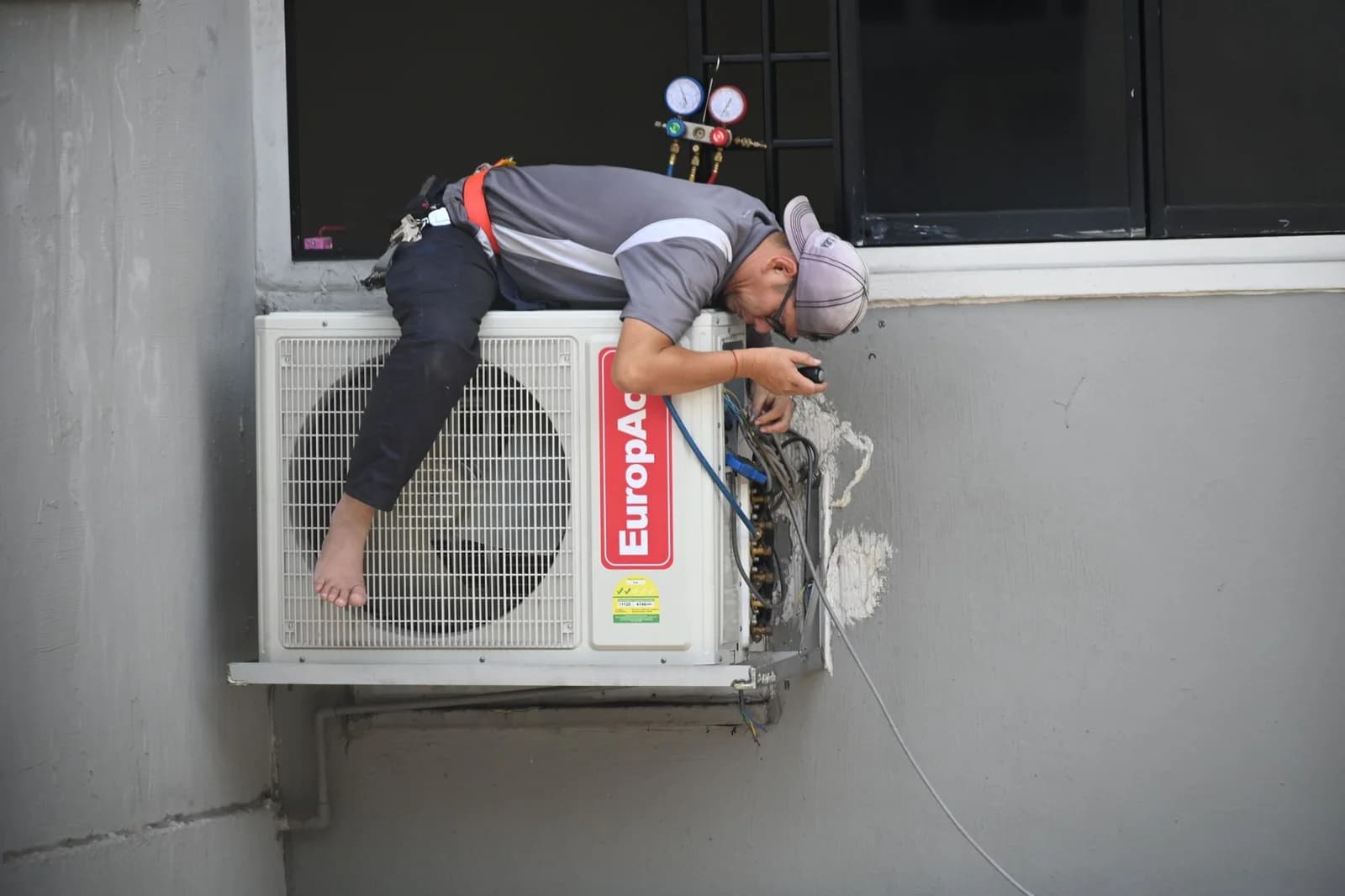
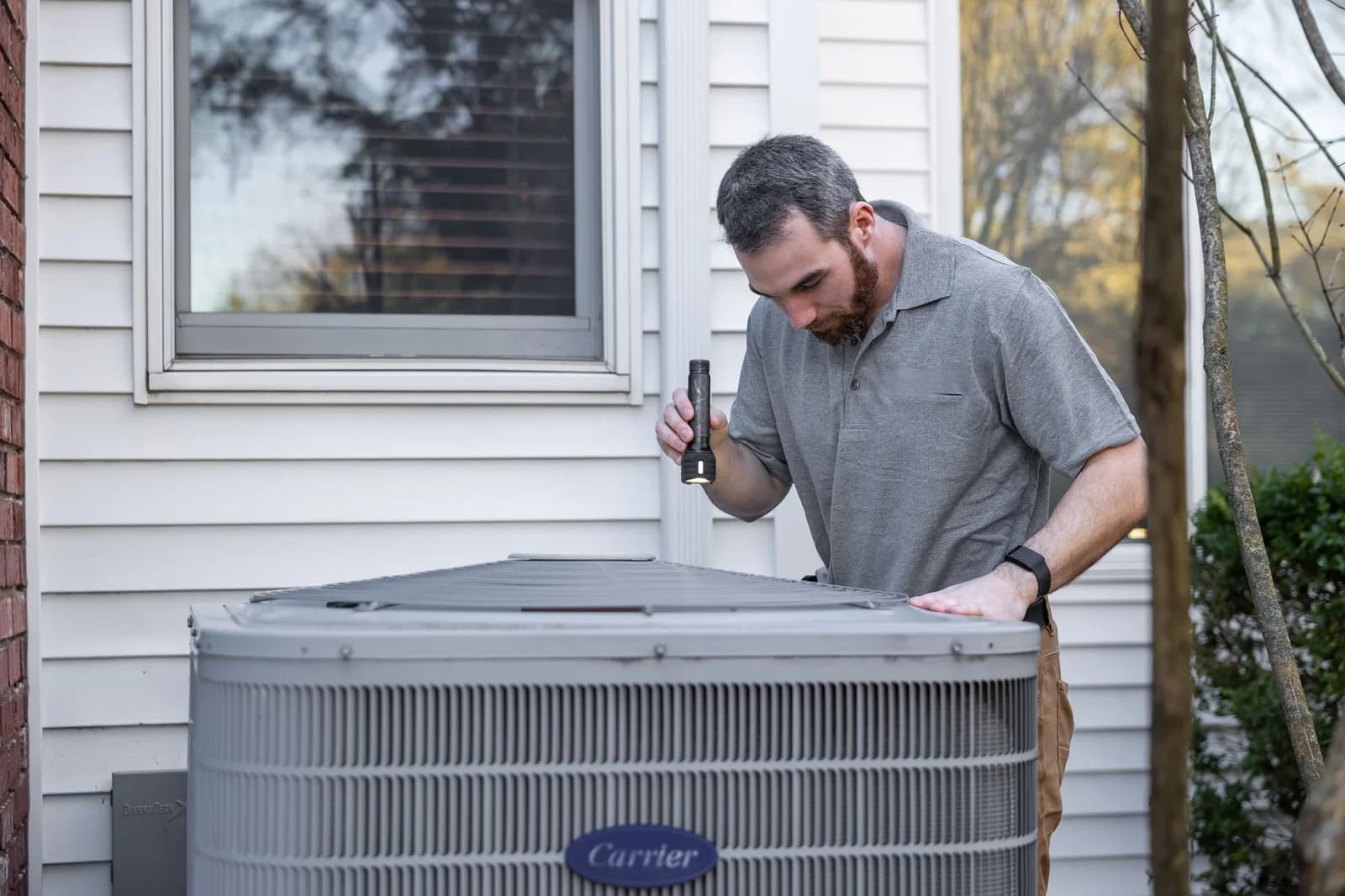
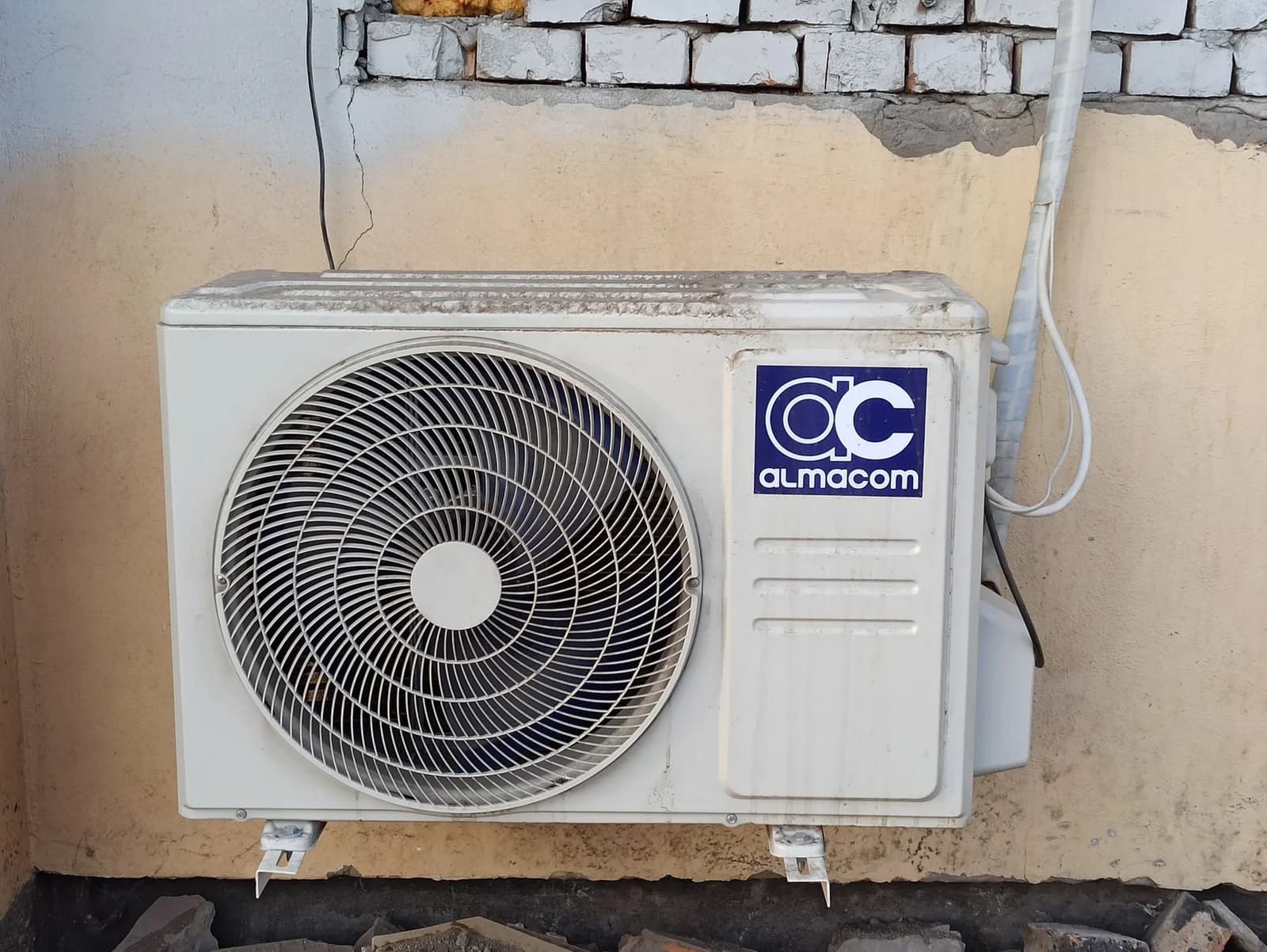
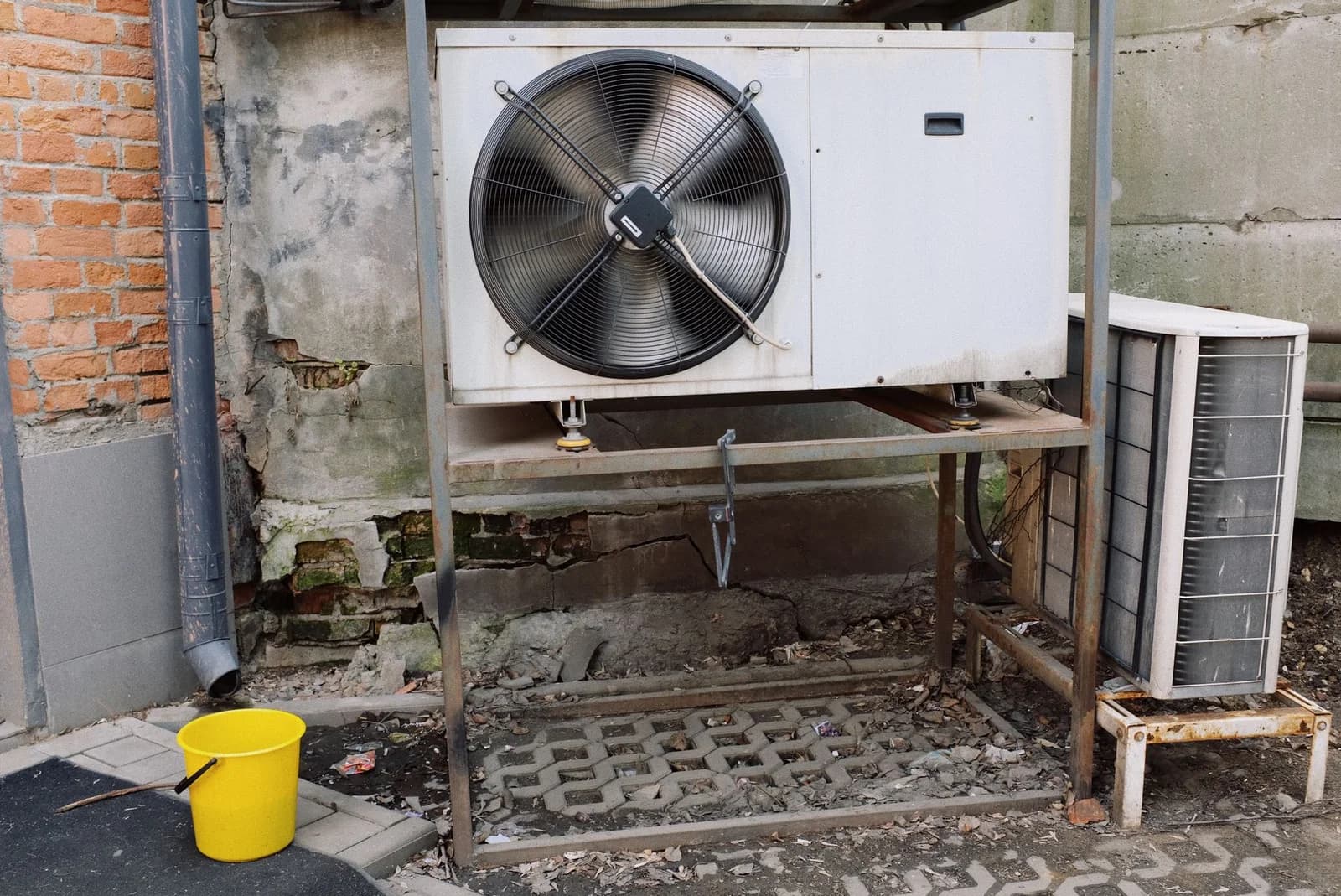
A heat pump adds an outdoor unit placement decision on top of the indoor equipment. That outdoor unit needs clearance for airflow on all sides, needs to sit somewhere that will not trap heat exhaust against a wall or fence, and in Culver City, needs to be positioned with noise in mind. Homes near Sony Pictures and the Amazon Studios lot already deal with some ambient production noise, and a heat pump running through both heating and cooling cycles year round adds more total operating hours than a seasonal AC unit alone. We place the outdoor unit where it will not become a source of noise complaints from neighbors or HOA pushback in condo and townhome developments.
Checking Duct Compatibility Before Choosing Equipment
Existing ductwork, whether it is the original galvanized runs or a newer set installed at some point after, can carry a furnace or a heat pump equally well on paper. The catch is that the sizing and the seal condition have to actually match what the new equipment moves through it. We run that compatibility check up front, before recommending a specific piece of equipment, because a heat pump asked to push air through ducts that are too small or leaking will underperform no matter what the efficiency label on the box says.
Some homes never had real ductwork to begin with, a garage that got converted into living space, or an older bungalow where a portion of the house was simply left off the original duct plan. For those spaces, a ductless mini split heat pump is usually the more sensible candidate over a system that would require building ductwork from nothing. That call gets made at the placement and design stage, before any equipment gets ordered.
Title 24 and What It Means for New Construction Placement
State code under Title 24 keeps steering new residential builds toward all electric equipment, and a heat pump is how most new construction satisfies that without running a gas line to the house. Building new or tackling a major addition in Culver City means that placement decision has to get locked in early rather than as an afterthought. The outdoor unit's location, whether the electrical panel has room for the added load, and whether the job goes ducted or ductless all ripple into decisions the rest of the project depends on.
Leave Room to Service the Equipment Later
A furnace or heat pump that fits perfectly on installation day but leaves no room to pull a blower motor or swap a filter two years later is a placement mistake, even if nobody notices it until the first service call. We plan clearance around the equipment for the filter access panel, the blower compartment, and, on a furnace, the burner assembly, not just for the box itself. Attic units need a solid platform and a clear path to walk the equipment across, not just a spot where it happened to fit between joists. Closet installs need enough door swing and floor space for a technician to work without pulling the unit halfway into the hallway first. None of this shows up as a problem until someone has to service the unit, which is exactly why it gets skipped by installers focused only on getting the equipment in place.
Combustion Safety Is Part of Correct Furnace Installation
Any gas furnace produces carbon monoxide as a byproduct of burning fuel, and a properly sized, correctly vented system keeps that gas outside the home where it belongs. A furnace placed with an improperly routed vent, or connected to a heat exchanger that was never matched correctly to the ductwork it feeds, can interfere with that process. This is not something to guess at. Every furnace install we complete includes a combustion safety check as a standard part of the job, verifying the system drafts and vents the way it is supposed to.
Sizing Around a Furnace and Future AC Together
Some Culver City homes are adding central AC for the first time while the furnace also needs replacement, and in those cases the two calculations should happen together, not as separate projects handled months apart. A furnace and an AC system connected to the same ductwork both depend on the airflow that ductwork can deliver, so sizing one without accounting for the other risks a mismatch where the furnace is fine but the newly added AC never reaches the tonnage the ducts can actually support, or the reverse. Planning both at once also means the ductwork only gets opened up and modified a single time, rather than once for the furnace and again later when the AC gets added.
What a Correctly Sized and Placed System Looks Like
A furnace or heat pump installed correctly sits where a technician can service it without a struggle, vents or exhausts without obstruction, connects to ductwork sized for the airflow it produces, and runs in cycles long enough to distribute heat evenly without short cycling. None of that happens by accident. It happens because the load calculation, the placement, and the duct check all get planned together before installation day.
Schedule a Heating System Evaluation
If you are replacing an aging furnace, considering a heat pump, or dealing with a system that never seems to heat the house evenly, call Culver Climate Co. at (877) 409-5227. Whether your address is in Del Rey, Venice, Mar Vista, Palms, West Los Angeles, or Culver City proper, every heating system we put in gets sized and placed based on your actual home, not the equipment that happened to be sitting there before.
Need Professional HVAC Service?
Our HVAC-experienced technicians are ready to help with all your AC and heating needs. Contact Culver Climate Co. today for expert service throughout the the Westside service area.